

 Tweet
Tweet
Kuwait's emergence as an independent political entity dates back more than 380 years ago, to 1613. This has been established by new research initiated by the Kuwaiti government after the liberation of the country from the Iraqi invasion. According to Dr Abdallah Al-Ghoneim, the President of the Centre for Kuwaiti Research and Studies the new research proves that Kuwait existed as early as 1613 and not 1752 as formerly believed.
This was substantiated by other evidence also. In a letter found in the British archives, addressed by Sheikh Mubarak Al-Sabah in 1913 to the British Political Resident, the former says "Kuwait is a land of the poor in which our grandfather Al-Sabah dwelled in 1613." Evidence also includes a letter sent by Oman's Imam Naser Bin Murshed in the 1730s to the Kuwaiti government, appealing for help against the Portuguese. Kuwait had then sent two ships loaded with weapons and ammunition.
In the 17th century, the Bani Khalid were the overlords of eastern Arabia and their domain stretched from Kuwait to Qatar. In about 1672 Barrak Bin Ghuraif, the Amir of the Bani Khalid, built his kout (a small house in the shape of a fortress situated near water) in Qurain, a small fishing community. This may have been in the area in Kuwait City known today as Wattiya.
The Utub, a federation of Arab families, were driven out of Al-Aflaj in central Arabia by the drought in the 17th century. They learned sea-faring and then scattered into various Arabian Gulf ports before coming to Kuwait in the early 18th century. They settled here under the suzerainty of the Bani Khalid.
Family disputes within the ruling Bani Khalid in 1722 gave the Utub in Kuwait a chance to practice some independence. After 1752 further internal disputes among the Bani Khalid and the rise of the Wahhabis, their bitter enemies in central Arabia, gave the Utub of Kuwait de facto independence. In about 1756 they elected Sabah Bin Jaber as the Amir of Kuwait to administer justice and the affairs of the town.
HH the Amir, Sheikh Jaber I Al-Sabah (1812-1859) ruled in consultation with the merchants of Kuwait, and managed to maintain good relations with all the major powers of the day. However, as Kuwait prospered throughout the 19th century its independence came under threat from regional and European powers.
The Rulers of the Al-Sabah Dynasty
1. Sheikh Sabah I Bin Jaber: 1756-1762
2. Sheikh Abdullah I: 1762-1812
3. Sheikh Jaber I: 1812-1859
4. Sheikh Sabah II: 1859-1866
5. Sheikh Abdullah II: 1866-1892
6. Sheikh Mohammad I: 1892-1896
7. Sheikh Mubarak Al-Sabah: 1896-1915
8. Sheikh Jaber II: 1915-1917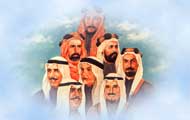 9. Sheikh Salem Al-Mubarak: 1917-1921
10. Sheikh Ahmad Al-Jaber Al-Sabah: 1921-1950
11. Sheikh Abdullah Al-Salem Al-Sabah: 1950-1965
12. Sheikh Sabah Al-Salem Al-Sabah: 1965-1977
13. Sheikh Jaber Al-AhmadAl-Jaber Al-Sabah: The present ruler, who ascended the throne in January 1978.The Discovery Of Oil
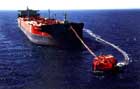 The first exploration well was drilled in Bahrah when a geophysical exploration was carried out. Oil was first discovered in Burgan in 1938. Because of the Second World War exports did not start until 1946. As oil exports increased, Ahmadi -- named after HH the Amir Sheikh Ahmad Al-Jaber Al-Sabah -- was created near the oil fields as a township for oil company personnel.
Modern infrastructure rose from the arid desert as roads, ports, factories, power generating stations, and desalination plants came into being. The population increased as thousands of foreign technical advisors and workers arrived to service the huge development schemes. Many Kuwaitis, members of a privileged minority, found themselves in new roles as importers, contractors, landlords and government officials.
Though Kuwait had been an independent political entity for more than two centuries, it gained international recognition as a sovereign state in June 1961. A few weeks later Kuwait joined the Arab League. In 1963 the country became a member of the United Nations.
This was substantiated by other evidence also. In a letter found in the British archives, addressed by Sheikh Mubarak Al-Sabah in 1913 to the British Political Resident, the former says "Kuwait is a land of the poor in which our grandfather Al-Sabah dwelled in 1613." Evidence also includes a letter sent by Oman's Imam Naser Bin Murshed in the 1730s to the Kuwaiti government, appealing for help against the Portuguese. Kuwait had then sent two ships loaded with weapons and ammunition.
In the 17th century, the Bani Khalid were the overlords of eastern Arabia and their domain stretched from Kuwait to Qatar. In about 1672 Barrak Bin Ghuraif, the Amir of the Bani Khalid, built his kout (a small house in the shape of a fortress situated near water) in Qurain, a small fishing community. This may have been in the area in Kuwait City known today as Wattiya.
The Utub, a federation of Arab families, were driven out of Al-Aflaj in central Arabia by the drought in the 17th century. They learned sea-faring and then scattered into various Arabian Gulf ports before coming to Kuwait in the early 18th century. They settled here under the suzerainty of the Bani Khalid.
Family disputes within the ruling Bani Khalid in 1722 gave the Utub in Kuwait a chance to practice some independence. After 1752 further internal disputes among the Bani Khalid and the rise of the Wahhabis, their bitter enemies in central Arabia, gave the Utub of Kuwait de facto independence. In about 1756 they elected Sabah Bin Jaber as the Amir of Kuwait to administer justice and the affairs of the town.
HH the Amir, Sheikh Jaber I Al-Sabah (1812-1859) ruled in consultation with the merchants of Kuwait, and managed to maintain good relations with all the major powers of the day. However, as Kuwait prospered throughout the 19th century its independence came under threat from regional and European powers.
The Rulers of the Al-Sabah Dynasty
1. Sheikh Sabah I Bin Jaber: 1756-1762
2. Sheikh Abdullah I: 1762-1812
3. Sheikh Jaber I: 1812-1859
4. Sheikh Sabah II: 1859-1866
5. Sheikh Abdullah II: 1866-1892
6. Sheikh Mohammad I: 1892-1896
7. Sheikh Mubarak Al-Sabah: 1896-1915
8. Sheikh Jaber II: 1915-1917
9. Sheikh Salem Al-Mubarak: 1917-1921 10. Sheikh Ahmad Al-Jaber Al-Sabah: 1921-1950
11. Sheikh Abdullah Al-Salem Al-Sabah: 1950-1965
12. Sheikh Sabah Al-Salem Al-Sabah: 1965-1977
13. Sheikh Jaber Al-AhmadAl-Jaber Al-Sabah: The present ruler, who ascended the throne in January 1978.The Discovery Of Oil
The first exploration well was drilled in Bahrah when a geophysical exploration was carried out. Oil was first discovered in Burgan in 1938. Because of the Second World War exports did not start until 1946. As oil exports increased, Ahmadi -- named after HH the Amir Sheikh Ahmad Al-Jaber Al-Sabah -- was created near the oil fields as a township for oil company personnel. Modern infrastructure rose from the arid desert as roads, ports, factories, power generating stations, and desalination plants came into being. The population increased as thousands of foreign technical advisors and workers arrived to service the huge development schemes. Many Kuwaitis, members of a privileged minority, found themselves in new roles as importers, contractors, landlords and government officials.
Though Kuwait had been an independent political entity for more than two centuries, it gained international recognition as a sovereign state in June 1961. A few weeks later Kuwait joined the Arab League. In 1963 the country became a member of the United Nations.


Comment