

 Tweet
Tweet
 Code of Hammurabi
The Code of Hammurabi (Codex Hammurabi), the best preserved ancient law code, was created ca. 1760 BC (middle chronology) in ancient Babylon. It was enacted by the sixth Babylonian king, Hammurabi.

Earlier collections of laws include the codex of Ur-Nammu, king of Ur (ca. 2050 BC), the Codex of Eshnunna (ca. 1930 BC) and the codex of Lipit-Ishtar of Isin (ca. 1870 BC).
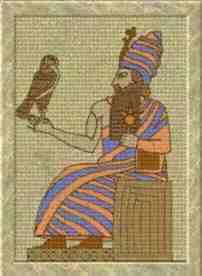
At the top of the basalt stele is a bas-relief image of a Babylonian god (either Marduk or Shamash), with the king of Babylon presenting himself to the god, with his right hand raised to his mouth as a mark of respect.

It was discovered in December 1901 in Susa, Elam, which is now Khuzestan, Iran, where it had been taken as plunder by the Elamite king Shutruk-Nahhunte in the 12th century BC. It is currently on display at the Louvre Museum in Paris.
The code is often pointed to as the first example of the legal concept that some laws are so basic as to be beyond the ability of even a king to change. Hammurabi had the laws inscribed in stone, so they were immutable.
The Code of Hammurabi was one of several sets of laws in the Ancient Near East.
Most of these codes come from similar cultures and racial groups in a relatively small geographical area, and they have passages which resemble each other.
The earlier Code of Ur-Nammu (21st century BC), the Hittite laws (ca. 1300 BC), and Mosaic Law (traditionally ca. 1400 BC under Moses), all contain statutes that bear at least passing resemblance to those in the Code of Hammurabi and other codices from the same geographic area.
Earlier collections of laws include the codex of Ur-Nammu, king of Ur (ca. 2050 BC), the Codex of Eshnunna (ca. 1930 BC) and the codex of Lipit-Ishtar of Isin (ca. 1870 BC).
At the top of the basalt stele is a bas-relief image of a Babylonian god (either Marduk or Shamash), with the king of Babylon presenting himself to the god, with his right hand raised to his mouth as a mark of respect.
It was discovered in December 1901 in Susa, Elam, which is now Khuzestan, Iran, where it had been taken as plunder by the Elamite king Shutruk-Nahhunte in the 12th century BC. It is currently on display at the Louvre Museum in Paris.
The code is often pointed to as the first example of the legal concept that some laws are so basic as to be beyond the ability of even a king to change. Hammurabi had the laws inscribed in stone, so they were immutable.
The Code of Hammurabi was one of several sets of laws in the Ancient Near East.
Most of these codes come from similar cultures and racial groups in a relatively small geographical area, and they have passages which resemble each other.
The earlier Code of Ur-Nammu (21st century BC), the Hittite laws (ca. 1300 BC), and Mosaic Law (traditionally ca. 1400 BC under Moses), all contain statutes that bear at least passing resemblance to those in the Code of Hammurabi and other codices from the same geographic area.