Announcement

Collapse
No announcement yet.

Sohrab Sepehri

Collapse
X
 
  • Filter
  • Time
  • Show
Clear All
new posts

  • #76
    چقدر فرق کرده اي !
    - خب همه چي فرق کرده. منم مثل همه چيز.
    - تو کوچيک شدي ، يا دنيا بزرگ شده ؟
    - دنيا تا هميشه، همين دنياست. ريگ همين ريگه. حجم، همين حجمه.
    - اما سبز، ديگه سبز نيست. آبي ، آبي نيست.
    - قرارمون صحبت از رنگ نبود. يادت هست... گفتي رنگ، واسه چشمها درست شده نه براي دل. خودت گفتي به چشمهات اعتماد نميکني.
    - آره، يادمه. ولي ميدوني چيه ؟ يه چيزايي، منو داره ميترسونه. هرچي بيشتر ميفهمم، بيشتر ميترسم.
    - خب، طبيعيه. تو داري توي مسيري راه ميري که همه تابلوهاش زنگار گرفته و کسي رو پيدا نميکني که راه درست رو نشونت بده. همه ميگن راه درست همينيه که من توشم. تو راه خودت رو انتخاب کردي و هي داري ميري جلوتر. ميدونم. مبهمه. اين ترسناکه.
    - ترسناکتر وقتيه که تو حرف نميزني. از سکوتت ميترسم.
    - اما خودت گفتي، براي اين دلتنگي هميشگي، پاداشي جز سکوت نيست.
    - براي اين بود که چيز ديگه اي نداشم. دستام خالي بود.
    - مثل اينکه حواست نيست. تو بهترين چيزي رو که داشتي بهم دادي.
    - نميدونم. به خدا نميدونم. اصلا ... اصلا براي چي اومدم سراغ تو ؟
    - چون فکر کردي دلت داره کوچيک ميشه. يادت باشه، تا ريگ همون ريگه، منم همون دلم. از ريگ و از خاک و از سردي خاک نترس. قوي باش ! پاتو محکم بزار روش. همه اين ريگها از نسل تو هستن. باهاشون غريبي ؟
    - نه . ازشون نميترسم . باهاشون رفيقم. چون قراره بيشتر عمرم رو باهاشون زندگي کنم. اون موقع، من ميشم تو . اونوقت ميفهمم که چقدر کوچيک بودي يا چقدر بزرگ .
    - همون موقع امانتت رو پس ميگيري.
    - کدوم امانت رو ؟
    - سکوت

    همه جا ساکت شد. من موندم و سکوت.
    باز هم يه عالم سوال بي جواب.
    خسته شدم. فقط راضيم به اينکه هنوز دارم راه ميرم و باکي ندارم.
    چراغ نفتي کهنه که ارثيه خاندان نشناخته ام هست، با منه و هنوز خاموش نشده و راه هم هنوز که هنوزه ادامه داره.
    مقصدم، شايد، اول يه راهه. يه راه درست.
    خدا کنه راه درست ، همين باشه.
    بالاخره يه روز ميفهمم... يه روز، يه شب.
    آره ...
    گيرش ميارم.
    هركجا هستم باشم
    آسمان مال من است
    پنجره فكر هوا عشق زمين مال من است
    چه اهميت دارد گاه اگر مي رويند قارچهاي غربت!!!


    زندگي دو نيمه است : نيمه اول در انتظار نيمه دوم ، نيمه دوم در حسرت نيمه اول .


    اگه یه پروانه روی سرت نشست تعجب نکن چون ............ . من آدرس قشنگترین گله دنیا رو بهش دادم.

    Comment


    • #77
      در تاريكي بي آغاز و بي پايان ...

      - هميشه يواش و بي صدا مياد. تو کوچه، تو خيابون، تو جايي که بهش ميگن خونه. اما هميشه پرسر و صدا ميره.
      نه .... انگار هيچ وقت خيال رفتن نداره. هميشه هست. فقط گاهي عصباني ميشه !
      وقتي صبح توي آينه پلکهاي بادکرده ام رو ميبينم، يادم ميفته که اون، هميشه و همه وقت باهام بوده و فقط بيشتر وقتها حواسم بهش نبوده.
      نفهميدم و نميفهمم.
      نميدونم کي و کجا گيرش بندازم و اينهمه سوال رو که اينهمه سال يه گوشه دلم، جلوي چشماش نوشته ام، رديف و پشت هم دوباره بچينم جلوش.
      - توي تاريکي هرشب، دنبال کبريت ميگردم تا نيمه سيگار عمر رو با طعم مونده و تلخش، دود کنم.
      توي تاريکي، همه چيز مثل هم ميشه. منطق من کنار منطق دنيا، حجم مشابهي دارن. نگران اين نيستم که فلسفه من چرنده يا فلسفه کهنه و نخ نماي اين دنيا.
      کاش اينجا نبودم.
      - ميگن، فقط با اراده ميشه ترک کرد. اما با کدوم اراده ميشه واقعا "ترک" کرد ؟
      دل خوش کرده ام به صدايي که از ته تهاي دلم ميگه :
      "اگه ميخواي بري، پيش او که رفتي، بهش بگو از خدا بخواد تو رو ببخشه"
      ميدونم اينبار هم که پيشش برم، باز يادم ميره. اينبار به انگشتم، طناب ميبندم...
      هركجا هستم باشم
      آسمان مال من است
      پنجره فكر هوا عشق زمين مال من است
      چه اهميت دارد گاه اگر مي رويند قارچهاي غربت!!!


      زندگي دو نيمه است : نيمه اول در انتظار نيمه دوم ، نيمه دوم در حسرت نيمه اول .


      اگه یه پروانه روی سرت نشست تعجب نکن چون ............ . من آدرس قشنگترین گله دنیا رو بهش دادم.

      Comment


      • #78
        نام شعر : غبار لبخند

        مي تراويد آفتاب از بوته ها.
        ديدمش در دشت هاي نم زده
        مست اندوه تماشا ، يار باد،
        مويش افشان ، گونه اش شبنم زده.

        لاله اي ديديم - لبخندي به دشت-
        پرتويي در آب روشن ريخته.
        او صدا را در شيار باد ريخت:
        "جلوه اش با بوي خنك آميخته."

        رود، تابان بود و او موج صدا:
        "خيره شد چشمان ما در رود وهم."
        پرده روشن بود ، او تاريك خواند:
        "طرح ها در دست دارد دود وهم."

        چشم من بر پيكرش افتاد ، گفت:
        "آفت پژمردگي نزديك او."
        دشت: درياي تپش، آهنگ ، نور.
        سايه مي زد خنده تاريك او.
        هركجا هستم باشم
        آسمان مال من است
        پنجره فكر هوا عشق زمين مال من است
        چه اهميت دارد گاه اگر مي رويند قارچهاي غربت!!!


        زندگي دو نيمه است : نيمه اول در انتظار نيمه دوم ، نيمه دوم در حسرت نيمه اول .


        اگه یه پروانه روی سرت نشست تعجب نکن چون ............ . من آدرس قشنگترین گله دنیا رو بهش دادم.

        Comment


        • #79
          vaghean ziba !

          mamnoun Narges jan keh ba in she'er,yek khaterei ro barayeh man zendeh kardi .

          Comment


          • #80
            sohrab
            نه غزه نه لبنان جانم فدای ایران


            صادق هدايت؛ بوف کور

            Comment


            • #81
              are reddy joon sheraye sohrab sepehri waqean kheili qashangan.... kodom sher manzoorete???
              هركجا هستم باشم
              آسمان مال من است
              پنجره فكر هوا عشق زمين مال من است
              چه اهميت دارد گاه اگر مي رويند قارچهاي غربت!!!


              زندگي دو نيمه است : نيمه اول در انتظار نيمه دوم ، نيمه دوم در حسرت نيمه اول .


              اگه یه پروانه روی سرت نشست تعجب نکن چون ............ . من آدرس قشنگترین گله دنیا رو بهش دادم.

              Comment


              • #82
                Beh Yad-e Sohrab Sepehri

                از برای ملتم ای زرتشت
                لبخند و ترانه و رهایی بیاور
                می خواهم باز شب میهنم را
                در آن سپیده دمان دانا ، نظاره کنم...


                چگونه با دشمنت به دوستی تا کنم؟
                تو رخت زندان تن ات و من تماشا کنم؟
                تو رخت زندان تن ات و من بمانم خموش؟
                قسم به زن، نازنم اگر محابا کنم
                اگرچه تلخ است حق، نمی توانم نهفت
                زبان از آن بایدم که آشکارا کنم

                Comment


                • #83
                  با نگاهی که از حادثه عشق تر بود به جستوجوی خانه ی دوست رفتم و از گلستانه ی کلام سراغ لانه ی کبوتر را از گل سرخ گرفتم و در جاده ای که به ماوراء حقیقت زندگی ختم می شد به دشت های فراخ و کوه های بلند رسیدم و صدای پای آب را شنیدم که می گفت: سهراب روزی آمد و پیامی داشت ، از دل ها غم میبرد و سر هر پیچ کلام نهالی می کاشت ، روزی که او آمد آفتابی بود ، در کنار برکه های حقیقت گیوه ها را کند و پای در آب گذاشت ، وجودش سراسر همرنگ چمن شد. در اندیشه ی او زندگی وسعتی داشت به اندازه ی مرگ ، .در اندیشه ی او زندگی چیزی نبود که سر طاقچه ی عادت از یادمان برود. در اندیشه ی او مرگ پایان همه چیز نبود . یک بغل آرامش بود. در نگاه سهراب بزم گل و بلبل غریبانه به یک روز نبود. او میدانست اگر سبزه ای را بکند خواهد مرد . او گاهی به لب حوض می رفت و گردش ماهی ها را نظاره می کرد. گاه گذاری داشت به دشت اندوه و گاه به باغ عرفان سفر میکرد. آندم که از اوج هزاران پائی و از شیشه مسدود هواپیما زمین را نظاره می کرد همه را میدید. گیاهان را ، جانوران را ، و انسان را که همیشه در ظلمت است . هر گاه باران میبارید چتر خود را میبست و عاشقانه به زیر باران می رفت.
                  هر دم آشتی میداد ، آشنا می کرد، خط خوبی هم داشت ، حرفهای شگرفی می زد.
                  از شب خیس محبت گفت، از سکوت خواهش ، از هم آغوشی زیبای عروسک با صبح.
                  صبح ها نان و پنیرک می خورد .
                  کفش به پا کرد و به دنبال اساطیر زمین کوچه باغ های زمان را می گشت.
                  ظهر ها در سفره ی او نان بود، دوری شبنم بود، کاسه ی داغ محبت بود.
                  عصر ها به گلستانه می رفت و به دنبال احساس کودکانه ی خود میگشت.
                  گاه به لب دریا می رفت طور در آب می انداخت و میگرفت طراوت را از آن.
                  عاقبت قایقی ساخت و رفت ، رفت به آن سوی افق و او به دیدار کسی رفت در آن سر عشق ، همچو باد که به سر وقت چنار می رفت


                  او به سر وقت خدا می رفت و سهراب ، سپهری شد در آسمان اندیشه ی ما .
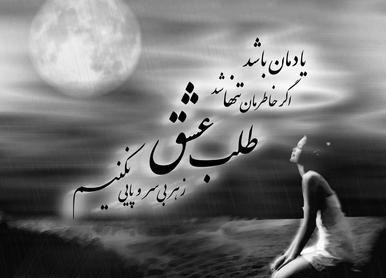
                  یاد من باشد تنها هستم ، ماه بالای سر تنهائی

                  Comment


                  • #84
                    Sohrab Sepehri
                    A tribute

                    Tribute by M Shakib to the great poet and painter Sohrab Sepehri (October 7, 1928 - April 21, 1980 )


                    YouTube - یاد و خاطره‌ سهراب سپهری گرامی. م شکیب

                    Comment


                    • #85
                      “There is a city somewhere beyond the seas

                      Where windows open on illumination...

                      Where the earth listens

                      To the music of your heart

                      And the wind carries sounds

                      Of the fluttering of mythical birds …”

                      October 7th 2008 marks the 80th anniversary of the birth of one of Iran’s most celebrated modern poets, Sohrab Sepehri. On that day, hundreds of people will make their way to the lonely, remote mosque of Mashhad Ardehal, (on the desert road between Kashan and Dilijan), to pay their respects, recite poetry and lay flowers on the grave of this much-loved poet.

                      Awaiting them will be no grand memorial tomb such as that of Hafez or Sa’adi: no pavilion with fragrant gardens, no trees to adorn and give shade. All they will see is a marble flagstone in the courtyard of the mosque (outside the women’s entrance), sometimes trodden below the feet of visitors on their way to prayer. The inscription on the stone reads:

                      “If you come to visit me

                      Tread softly,

                      Lest you break the fragile shell

                      Of my loneliness.”

                      It is a modest, humble grave, one eminently in keeping with the character of the poet.

                      His was a truly singular voice in 20th century Iranian Literature: fresh and natural, almost childlike sometimes in its directness. At a time when other poets were wrestling with complex social and political concerns in their works, Sohrab Sepehri was an advocate of all that was small and personal, intimate and homely. He was a friend of roadside flowers, of people walking home from work, of goldfinches and swaying poplars. For him, the most familiar objects - a willow, a red rose - could open suddenly to reveal an aspect of the Divine hitherto concealed. He explained in his poem, “Water’s Footfall”, that the poet need not go beyond his own immediate environment to discover the wondrous and the divine. Transcendence was per-ception, seeing through the everyday details of life to the empowered presence beyond.

                      “I am a Muslim.

                      And my direction of prayer is the red rose,

                      My prayer rug is... the fountain,


                      My prayer stone is... light,

                      The meadows are my prayer hall.

                      I kneel down when the muezzin wind

                      Calls out the time of prayer

                      From the cypress tree.”

                      The words sound almost like a paraphrase of Ibn Arabi’s famous profession of faith.

                      Born in Kashan in 1928, Sepehri’s imagination was dominated by the Dasht-e Kavir, the desert that stretches before the city like a grey nothingness for a thousand kilometres. Something of that emptiness, that loneliness, filtered into his bones and sank deeply into his heart.

                      “Come to me and I will tell you

                      How colossal my loneliness is”

                      It was as if the desert called out to him in an almost religious voice, (as it called many prophets and mystics in the past) and Sepehri responded both physically and metaphorically:

                      “Tonight I must go

                      I must take my suitcase

                      Large enough to hold the garments of my loneliness

                      And go to the place where trees sing out in epic song

                      And where the vast wordless expanse

                      Calls out to me: “Sohrab!”

                      Listen! There it is again!

                      I must find my shoes quickly…”.

                      He became a restless spirit, unable to settle, travelling the world in search of something he could never quite define, which lay just beyond the horizon, just out of sight. During his wanderings, he encountered a variety of different literary styles, some of which found their way later into his poetry enriching the language in ways which bore the indelible seal of his genius. Through his writing and his painting, he created a new home for himself (another Kashan) “on the far side of the night”, one that could not be taken away from him by force or by distance.

                      “It does not matter were I am

                      Because the sky is always mine

                      And windows, ideas, fresh air, love”…

                      In the end, his body “descended from a piece of pottery on Sialk Hills”, longed for the soil of its birth. He discovered at the age of fifty that he was suffering from leukaemia and that the illness was incurable. In 1980, the poet made his final journey home to his beloved Kashan to be buried (according to his own wishes) in the grounds of Mashhad Ardehal.

                      When I visited his grave recently during the baking heat of a torrid summer, the place was almost deserted. There was only a large family of dark-skinned gypsies from Khuzestan taking advantage of the shade and the water. Their children splashed around the fountain and chased each other amid great bouts of laughter. None of them ventured out of the shade of the central courtyard. The poet remained alone in his element.

                      Until a frail old man arrived asking for the grave, dressed (despite the searing heat) in a smart black business suit. He was supported on a walking stick and was evidently in great pain. I lead him around the side of the building to the poet’s marble flagstone, and he stood over it for some time, seemingly in deep thought. Then he put his stick between his legs and suddenly slipped to the ground. I rushed to assist him, thinking he was falling, but he thrust an open palm out at me to stop. This was evidently something he needed to do for himself. Holding his stick firmly in his left hand, he got down painfully on one knee and reached out an exploratory hand to the gravestone, tracing his finger lovingly over the inscription. I could see by his face that he had reached his destination. He was home.

                      I was deeply moved. I remembered the words of another poet, one from my own country, who had written

                      “If you want to drink from a carafe

                      You can grip its neck and press it to your lips.

                      But if you want to drink from a spring

                      You have to get down on your knees and bow your head”.

                      Over the next few months, many more pilgrims will come to this isolated place to drink from the spring. For the works of Sohrab Sepehri are a breath of fresh air, full of the sights and sounds of nature, redolent with the joys of being alive, of being a human being with a face and a name.

                      Sohrab Sepehri


                      Poet and Painter

                      October 7, 1928 – April 21, 1980

                      Comment


                      • #86

                        Comment

                        Working...
                        X