If this is your first visit, be sure to
check out the FAQ by clicking the
link above. You may have to register
before you can post: click the register link above to proceed. To start viewing messages,
select the forum that you want to visit from the selection below.
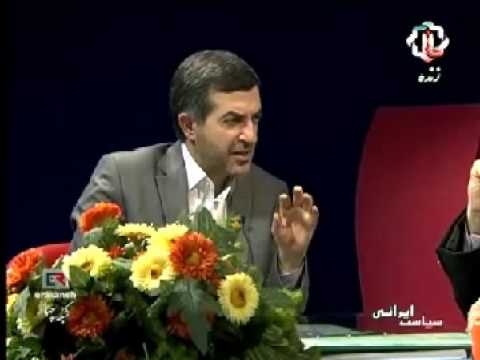
Rafsanjani: Surrender to Khamenei
Follow the leader, he says
BBC: Former President Ali Akbar Rafsanjani has urged Iran's political factions to follow orders from the supreme leader, in an apparent conciliatory move. Ayatollah Ali Khamenei has endorsed the disputed re-election of President Mahmoud Ahmadinejad in June, but Mr Rafsanjani has backed the opposition. Correspondents say his statement seems to contradict a speech last month when he said the country was in crisis.
Does Iran's second nuclear facility prove country is producing atomic bomb? Are Israeli policies to blame? Would Tel-Aviv launch an air strike on Tehran? Dr Shmuel Gordon, a former pilot in the Israeli Air Force from Tel Aviv and Professor Pirouz Mojtahed Zadeh from the University of Tehran who is in London, - in heated debate.
Obama: Iran must show transparency
Obama in Iran inspection demand
BBC: US President Barack Obama says Iran must give UN inspectors "unfettered access" to its second uranium enrichment facility within two weeks. Speaking after multi-party talks with Iran in Geneva, Mr Obama said that US patience was "not unlimited". "Iran must take concrete steps to build confidence that its nuclear programme will serve peaceful purposes," he said. Tehran revealed last week that it was developing an enrichment site near the city of Qom.
What will China do?
Where does China stand on Iran sanctions?
Reuters: China is one of the five permanent members of the U.N. Security Council who have the power to veto any proposed resolution. While Beijing often abstains from Security Council votes on decisions it dislikes, it is much less willing to use its veto and risk diplomatic isolation, especially if fellow Security Council member Russia backs a resolution. China is more likely to wield the veto threat to seek to thwart any measures that could threaten its energy and economic ties with Iran, as it has done before. In July 2006, China backed U.N. Security Council Resolution 1696 that threatened sanctions on Iran, and in December of the same year it supported Resolution 1737, which put sanctions on Iranian nuclear imports and exports
Israel's veiled threats
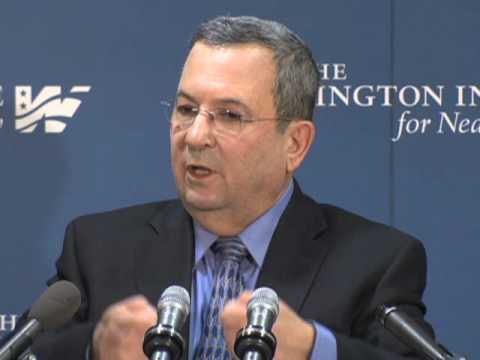
Israeli Defense Minister Ehud Barak in Washington
(Reuters) – Israel's perspective on Iran's nuclear program differs from that of the United States, and the two may part ways on what action to take, Israeli Defense Minister Ehud Barak said on Friday. Washington's clout over its Middle East ally is under scrutiny after Israel's veiled threats to attack Iran preemptively if international diplomacy fails to rein in Tehran's uranium enrichment, a process with bomb-making potential. "There is of course a certain difference in perspective and a difference in judgment and a difference in the internal clock, a difference in capabilities," Barak told the Washington Institute for Near East Policy think-tank, when asked about Israeli-U.S. discussions about Iran. "I don't think that there is a need to coordinate in this regard. There should be understanding on the exchange of views, but we do not need to coordinate everything," said Barak, who was in Washington for strategic talks






Comment