George Clooney

Collapse
X
 
  • Time
  • Show
Clear All
new posts
  • Rasputin
    Senior Member
    • Jan 2005
    • 63906

    #1

    George Clooney

    'Syriana' star GEORGE CLOONEY is planning to team up with 'Good Night, and Good Luck' partner GRANT HESLOV to co-write a CIA dramedy for Warner Bros., according to Daily Variety.

    Based on a Wired magazine article that details true-life events, 'Escape from Tehran' chronicles how the CIA, with a little help from Hollywood, used a fake film project to smuggle several Americans out of Iran during the 1979 hostage crisis.

    The project is a potential directing and starring opportunity for Clooney, who is currently in production on 'Leatherheads,' his period football comedy with RENÉE ZELLWEGER. That film is due out in December.
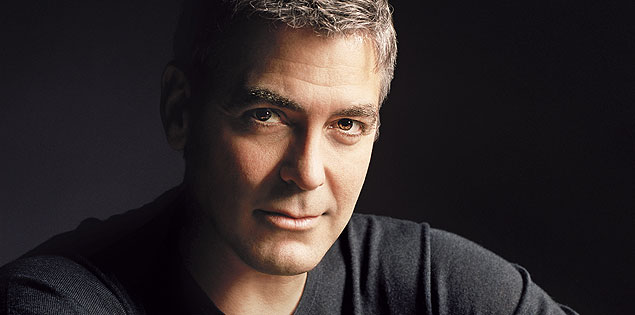

    'Escape' marks a return to the well for Clooney, who tackled CIA territory in both 'Syriana,' for which he won a Best Supporting Actor Oscar in 2005, and 'Confessions of a Dangerous Mind,' his directorial debut following the alleged shady CIA exploits of game show host CHUCK BARRIS.

    George Clooney is to co-write a comedy drama based on a CIA plot to smuggle six Americans out of Tehran during the 1979 hostage crisis through the creation of a fake film project.

    Inspired by Joshuah Berman's article in the current issue of Wired magazine, Clooney will pen the script with his 'Good Night, and Good Luck' co-writer Grant Heslov.

    The unusual operation began when CIA operative Tony Mendez was charged with the task of rescuing six Americans from Tehran. He teamed up with Hollywood make-up artists John Chambers and Bob Sidell to create a bogus film project to be shot in Iran, and so convincing were their endeavours that both Variety and the Hollywood Reporter wrote stories about the project.

    Mendez then travelled to Tehran and having found the Americans, told them to pretend they were Canadians on a scouting trip for the film. The result? Mendez and all six men made it back to the States alive and well.

    While only in the early stages of development at present, 'Escape from Tehran' is also a potential directing and starring vehicle for Clooney (unless this announcement turns out to be a rouse too).

    If you haven't already, you must read Joshuah Bearman's new Wired article about the 1980 hostage rescue involving the creation of a fake sci-fi movie. Here, I'll sum it up quickly: after the CIA and two makeup artists came up with a non-existent movie (it seemed so real that it had the trades fooled), an operative named Tony Mendez traveled to Iran under the guise of the production in order to sneak out six American hostages. And yes, it worked. Well, it didn't take long for a studio to realize the now-unclassified story would make a perfect non-non-existent movie. Warner Bros. has bought the rights to the article and has tapped none other than George Clooney and Grant Heslov to write the screenplay.

    The last film Clooney and Heslov wrote together was Good Night, and Good Luck, for which they received Oscar nominations. And considering the fact that Clooney has worked with CIA subject matter before, with his directorial debut, Confessions of a Dangerous Mind, and with his Oscar-winning performance in Syriana, the man seems fully qualified. Hopefully Clooney will also direct the film, which will be called Escape From Tehran, or at least appear in it. It would also be perfect if the project, labeled a dramedy, could employ the two makeup artists, but unfortunately one of them is no longer alive. John Chambers, who won an Honorary Academy Award in 1969 for his work on Planet of the Apes, died in 2001. However, his partner on the mission, Robert Sidell, who went on to do the makeup for E.T., may be able to contribute somehow.

    Escape From Tehran reminds me of two other films, Wag the Dog and The Last Shot, but it will likely be good enough to make me forget both (especially the latter). The only thing I ask for is a title change. Right now it sounds like it should feature Kurt Russell as Snake Plisskin, or worse, it could confuse people if it comes out anytime close to the Escape from New York remake. Here is my suggestion, which will associate it better with Clooney's and Heslov's work: You May Proceed. Good Luck. Okay, it isn't actually a better title, but if you read the article (do it!), my idea will at least make sense.

    iran
  • Rasputin
    Senior Member
    • Jan 2005
    • 63906

    #2
    سفر "جرج كلوني" به تهران

    جرج كلوني و گرانت هسلو همكار فيلمنامه*نويس او بر مبناي ماجراي همكاري سازمان سيا، هاليوود و دولت كانادا براي خروج شش شهروند آمريكايي از ايران در جريان تسخير سفارت آمريكا در سال 1979* فيلمنامه*اي به نام "فرار از تهران" مي*نويسند.

    به گزارش مهر، استوديو برادران وارنر حق ساخت فيلمي سينمايي از روي مطلبي نوشته جاشوا برمان درباره اين داستان را خريده و اين فيلم را به همراه استوديو اسموك هاوس متعلق به كلوني و گرانت تهيه مي كند. به احتمال خيلي زياد خود كلوني اين پروژه را كارگرداني كرده و در آن بازي مي كند.

    به گزارش ورايتي، "فرار از تهران" نخستين همكاري كلوني و هسلو پس از فيلم موفق "شب بخير، موفق باشيد" است كه در سال 2006 نامزد اسكار بهترين فيلمنامه غيراقتباسي شد. مطلب برمن كه در شماره جديد مجله "ويرد" منتشر شده درباره توني مندز، مامور سابق سازمان سيا و استاد تغيير چهره است كه در جريان گروگانگيري ( تسخير لانه جاسوسي ) ماموريت پيدا مي كند شش آمريكايي را كه در مخفيگاهي در تهران پنهان شده بودند از كشور خارج كند.

    ايده او استفاده از يك فيلم هاليوودي جعلي بود و براي پياده كردن نقشه خود با جان چمبرز، گريمور معروف هاليوود تماس گرفت. چمبرز و باب سيدل كه او هم گريمور بود، يك استوديو فيلمسازي به نام Studio Six Prods ـ كه نام آن اشاره به آن شش آمريكايي داشت - به راه انداختند و به طور رسمي اعلام كردند نخستين فيلم اين استوديو تحت عنوان "خلافكاري كانادايي" در ايران توليد مي شود.

    آنها با انتشار شش آگهي تبليغاتي درباره توليد اين فيلم عملا نشريه هايي معروف مانند هاليوود ريپورتر و ورايتي را هم فريب دادند، به طوري كه اين نشريات مطالبي هم درباره اين پروژه منتشر كردند. مندز پس از هماهنگي با سفارت كانادا در تهران در ژانويه 1980 به تهران آمد و به آن شش آمريكايي گفت وانمود كنند كانادايي هستند و براي توليد يك فيلم هاليوودي به ايران آمده*اند.

    كن تيلور، سفير آمريكا در تهران و جان شيردان، مسئول بخش مهاجرت سفارت كانادا پس از تماس با فلورا مكدانلد، وزير امور خارجه وقت اين كشور و نخست وزير جو كلارك و كسب توافق آنها، براي آن شش آمريكايي كه سه نفرشان از ديپلماتهاي سفارت آمريكا در تهران بودند، پاسپورت كانادايي صادر كردند و در نهايت آنها روز 27 ژانويه 1980 از طريق فرودگاه مهرآباد، تهران را به سمت زوريخ در سوئيس ترك كردند.


    iran

    Comment

    • Rasputin
      Senior Member
      • Jan 2005
      • 63906

      #3
      GEORGE CLOONEY'S GREAT ESCAPE

      This could have been a perfect plot for Danny Ocean and his Band as a sequal to Ocean’s 13 were it not based on a factual Hollywood Hoax that took place in the dark days of the Islamic Revolution nearly 28 years ago …


      George Clooney and his Smoke House partner Grant Heslov will co-write a dramedy (Comedy & Drama) for Warner Bros. Pictures detailing how the CIA, with help from Hollywood, used a fake movie project to smuggle a handful of Americans out of Tehran during the 1979 hostage crisis.


      Warners has snapped up the film rights to Joshuah Bearman's Wired magazine article on the real-life intelligence tale and set it up with Smoke House to produce.

      As with any Smoke House project, 'Escape From Tehran' is a potential directing and starring vehicle for Clooney.

      The project is the first Heslov and Clooney have penned together since 2005's 'Good Night, and Good Luck”. Bearman's article in the current issue of Wired centers around CIA operative Tony Mendez, a master of disguise who was put in charge of rescuing six Americans hiding out in Tehran. He came up with the idea of using a bogus movie and contacted Hollywood makeup artist John Chambers.

      Chambers and Bob Sidell, also a makeup artist, launched Studio Six Prods. (an allusion to the six Americans awaiting rescue) and announced their first movie project, to be shot in Iran. Both Variety and the Hollywood Reporter were duped into writing news stories on the film after Studio Six took out trade ads.

      Mendez went to Tehran in January 1980 and told the Americans to pretend they were Canadians on a scouting trip for a big-budget Hollywood epic. The ruse worked.

      Smokehouse VP Nina Wolarsky brought in 'Escape.' David Klawans ('Nacho Libre') is attached to produce.


      George Clooney seems to have a hook on Iranians/Persians since he was to initially produce the screen adaptation of Steven Pressfields “The Gates of Fire” about the famous Battle of Thermopylae which was finally abandoned since Warner Bros. Decided to make the now infamous movie 300 directed by Zack Snyder. According to an interview given to the Guardian in 2003, Clooney wanted to Portray Persian Emperor Xerxes in the Epic movie with Michael Mann as director. Also Escape from Tehran is the 2nd adventure for George Clooney that takes him to Iran. The latest being Syriana which begins with a key scene in Tehran. It was particularly interesting to see a depiction of Iranians in the movie which was quite different from the regular stereotypes the West is used too.

      iran

      Comment

      • Rasputin
        Senior Member
        • Jan 2005
        • 63906

        #4
        Three-time Oscar nominee; two-time Golden Globe winner; twice named People’s Sexiest Man. It’s no wonder George Clooney will play Danny Ocean for the third time in the upcoming Ocean’s Thirteen—good things seem to happen to him in multiples. And how many times has the handsome Kentucky-born actor led the way in male grooming? Certainly, his ER-era Caesar haircut launched a thousand boyfriend makeovers. But his essential appeal is less than a numbers game. As his late aunt, Rosemary Clooney once said: “[George has] that hoo-hah quality. He's okay, that kid." You can say that again.


        Three-time Oscar nominee; two-time Golden Globe winner; twice named People’s Sexiest Man. It’s no wonder George Clooney will play Danny Ocean for the third time in the upcoming Ocean’s Thirteen—good things seem to happen to him in multiples. And how many times has the handsome Kentucky-born actor led the way in male grooming? Certainly, his ER-era Caesar haircut launched a thousand boyfriend makeovers. But his essential appeal is less than a numbers game. As his late aunt, Rosemary Clooney once said: “[George has] that hoo-hah quality. He's okay, that kid." You can say that again.


        Three-time Oscar nominee; two-time Golden Globe winner; twice named People’s Sexiest Man. It’s no wonder George Clooney will play Danny Ocean for the third time in the upcoming Ocean’s Thirteen—good things seem to happen to him in multiples. And how many times has the handsome Kentucky-born actor led the way in male grooming? Certainly, his ER-era Caesar haircut launched a thousand boyfriend makeovers. But his essential appeal is less than a numbers game. As his late aunt, Rosemary Clooney once said: “[George has] that hoo-hah quality. He's okay, that kid." You can say that again.


        Three-time Oscar nominee; two-time Golden Globe winner; twice named People’s Sexiest Man. It’s no wonder George Clooney will play Danny Ocean for the third time in the upcoming Ocean’s Thirteen—good things seem to happen to him in multiples. And how many times has the handsome Kentucky-born actor led the way in male grooming? Certainly, his ER-era Caesar haircut launched a thousand boyfriend makeovers. But his essential appeal is less than a numbers game. As his late aunt, Rosemary Clooney once said: “[George has] that hoo-hah quality. He's okay, that kid." You can say that again.


        Three-time Oscar nominee; two-time Golden Globe winner; twice named People’s Sexiest Man. It’s no wonder George Clooney will play Danny Ocean for the third time in the upcoming Ocean’s Thirteen—good things seem to happen to him in multiples. And how many times has the handsome Kentucky-born actor led the way in male grooming? Certainly, his ER-era Caesar haircut launched a thousand boyfriend makeovers. But his essential appeal is less than a numbers game. As his late aunt, Rosemary Clooney once said: “[George has] that hoo-hah quality. He's okay, that kid." You can say that again.


        iran

        Comment

        • abadani69
          Senior Member
          • Aug 2005
          • 21339

          #5


          Comment

          • Rasputin
            Senior Member
            • Jan 2005
            • 63906

            #6
            جورج کلونی از تهران فرار می کند


            جورج کلونی برنده جایزه اسکار شده است
            شرکت فیلمسازی جورج کلونی، هنرپیشه و کارگردان سرشناس آمریکایی در حال نوشتن فیلمنامه ای بر اساس داستانی واقعی به نام "فرار از تهران" است.
            شرکت فیلمسازی اسموک هاوس (smoke house) اعلام کرد که فیلم درباره یک متخصص جعل هویت سازمان اطلاعاتی آمریکا (سیا) است که شش آمریکایی را در حالی قاچاقی از ایران خارج می کند که تعدادی دیگر از آمریکایی ها کماکان گروگان هستند.

            استن روزنفیلد، سخنگوی این شرکت فیلمسازی به روزنامه هرالد میل گفت "فرار از تهران" در مرحله مقدماتی است و ساخت آن هنوز قطعی نشده است.

            ورایتی، نشریه معتبر آمریکایی که اخبار دنیای سرگرمی را پوشش می دهد، پیش از این اعلام کرده بود که فیلم "فرار از تهران"، ترکیبی از درام و کمدی خواهد بود و جورج کلونی فیلم را کارگردانی کرده و در آن به ایفای نقش خواهد پرداخت.

            ورایتی همچنین گفته که شرکت برادران وارنر نیز در ساخت و توزیع فیلم مشارکت خواهد داشت.

            فیلمنامه "فرار از تهران" بر اساس مقاله ای از مجله وایرد(wired) نوشته می شود که در آوریل امسال منتشر شد. این مقاله درباره عملیات نجاتی بود که توسط آنتونیو مندز، مامور بازنشسته سازمان اطلاعاتی آمریکا (سیا) در تهران صورت گرفت.

            آقای مندز به روزنامه هرالد میل گفت که وی در ازای سهیم شدن در حقوق فیلم، با مصاحبه با مجله وایرد موافقت کرده است.

            آنتونیو مندز در سال 1997 به عنوان یکی از 50 جاسوس برتر سازمان سیا انتخاب شد. وی مسئول عملیات آزاد کردن شش دیپلمات آمریکایی بود که در سال 1979 در سفارت این کشور در تهران به گروگان گرفته شده بودند.

            ماموران سازمان جاسوسی آمریکا برای آزادی گروگان ها، طرح های مختلفی ارائه کردند اما در نهایت قرار شد این شش نفر را به عنوان کارمندان یک استودیوی فیلمسازی کانادایی معرفی کنند و دولت کانادا نیز برای این شش نفر، گذرنامه کانادایی صادر کرد. وی در نهایت موفق شد این شش دیپلمات را از ایران خارج کند.

            در سال 1997 جزئیات این طرح برای اولین بار اعلام شد و سازمان جاسوسی آمریکا به مندز اجازه داد تا در این مورد علنا صحبت کند.

            بحران گروگان گیری در سفارت آمریکا در تهران در پایان دوره ریاست جمهوری جیمی کارتر اتفاق افتاد و عامل اصلی قطع روابط میان ایران و آمریکا بود.


            iran

            Comment

            • Rasputin
              Senior Member
              • Jan 2005
              • 63906

              #7
              How the CIA Used a Fake Sci-Fi Flick to Rescue Americans from Tehran

              How the CIA used a fake science fiction film to sneak six Americans out of revolutionary Iran.

              November 4, 1979, began like any other day at the US embassy in Tehran. The staff filtered in under gray skies, the marines manned their posts, and the daily crush of anti-American protestors massed outside the gate chanting, "Allahu akbar! Marg bar Amrika!"

              Mark and Cora Lijek, a young couple serving in their first foreign service post, knew the slogans — "God is great! Death to America!" — and had learned to ignore the din as they went about their duties. But today, the protest sounded louder than usual. And when some of the local employees came in and said there was "a problem at the gate," they knew this morning would be different. Militant students were soon scaling the walls of the embassy complex. Someone forced open the front gate, and the trickle of invaders became a flood. The mob quickly fanned across the 27-acre compound, waving posters of the Ayatollah Khomeini. They took the ambassador's residence, then set upon the chancery, the citadel of the embassy where most of the staff was stationed.

              At first, the Lijeks hoped the consulate building where they worked would escape notice. Because of recent renovations, the ground floor was mostly empty. Perhaps no one would suspect that 12 Americans and a few dozen Iranian employees and visa applicants were upstairs. The group included consular officer Joseph Stafford, his assistant and wife, Kathleen, and Robert Anders, a senior officer in the visa department.

              They tried to keep calm, and even to continue working. But then the power went out and panic spread throughout the building. The Iranian employees, who knew the revolutionary forces' predilection for firing squads, braced for the worst. "There's someone on the roof," one Iranian worker said, trembling. Another smelled smoke. People began to weep in the dark, convinced the militants would try to burn down the building. Outside, the roar of the victorious mob grew louder. There were occasional gunshots. It was time to flee.

              The Americans destroyed the plates used to make visa stamps, organized an evacuation plan, and ushered everyone to the back door. "We'll leave in groups of five or six," the marine sergeant on duty said. "Locals first. Then the married couples. Then the rest." The consulate building was the only structure in the compound with an exit on the street. The goal was to make it to the British embassy about six blocks away.

              It was pouring rain when they opened the heavy roll-down steel doors. The street was mercifully empty. One group turned north, only to be captured moments later and marched back to the embassy at gunpoint.

              Heading west, the Staffords, the Lijeks, Anders, and several Iranians avoided detection. They had almost reached the British embassy when they encountered yet another demonstration. A local in their group gave some quick advice — "Don't go that way" — and then she melted into the crowd. The group zigzagged to Anders' nearby apartment, at one point sneaking single-file past an office used by the komiteh, one of the gun-wielding, self-appointed bands of revolutionaries that controlled much of Tehran.

              They locked the door and switched on Anders' lunch-box radio, a standard-issue "escape and evade" device that could connect with the embassy's radio network. Marines were squawking frantically, trying to coordinate with one another. Someone calling himself Codename Palm Tree was relaying a bird's-eye view of the takeover: "There are rifles and weapons being brought into the compound." This was Henry Lee Schatz, an agricultural attach who was watching the scene from his sixth-floor office in a building across the street from the compound. "They're being unloaded from trucks."

              The Iran hostage crisis, which would go on for 444 days, shaking America's confidence and sinking President Jimmy Carter's reelection campaign, had begun. Americans would soon be haunted by Khomeini's grim visage, and well-armed Islamic militants would parade blindfolded hostages across the nightly news and threaten trials for the "spies" that they'd captured. Everyone remembers the 52 Americans trapped at the embassy and the failed rescue attempt a few months later that ended with a disastrous Army helicopter crash in the Iranian desert. But not many know the long- classified details of the CIA's involvement in the escape of the other group — thrust into a hostile city in the throes of revolution.

              By 3 o'clock that afternoon, the five people huddled in Anders' one-bedroom apartment realized they were in serious trouble. As the militants seized control, there were fewer English speakers on the radio net. Codename Palm Tree had fled. After the last holdouts in the chancery's vault radioed their surrender, the only voices coming through the box were speaking in Farsi. The embassy was lost. The escapees were on their own.

              The CIA was in chaos when Tony Mendez arrived at his desk the next morning. People dashed through the halls, clutching files and papers. Desks were piling up with "flash" cables — the highest-priority messages, reserved for wartime situations.

              Mendez, 38, had been at the agency during the Vietnam War. But this seemed worse. At least then the US had another government to talk to. In Iran, the Ayatollah Khomeini and the Revolutionary Council refused to negotiate. With no diplomatic channels open, clandestine efforts were the last hope. But since the revolution had begun a year earlier, most of the CIA's intelligence infrastructure in Iran had been destroyed. As former head of the Disguise Section and current authentication chief of the CIA's Graphics and Authentication Division, Mendez oversaw logistical operations behind the tens of thousands of false identities the CIA was running. He knew there were only three field agents in Iran and that they had all been captured at the embassy.

              At first, Mendez thought his job was to free the hostages. He started suiting up agents to penetrate Iran, and he spent a whirlwind 90 hours straight working on a plan called Operation Bodyguard in which a dead body double for the Shah would be used to arrange for the hostages' release. It was a gorgeous plan, he thought. But the White House rejected it.

              Then, a few weeks after the takeover of the embassy, Mendez received a memorandum from the State Department marked as secret. The news was startling: Not everyone in the embassy had been captured. A few had escaped and were hiding somewhere in Tehran. Only a handful of government officials knew the details because Carter's advisers and the State Department didn't want to tip off the Iranians.

              Mendez had spent 14 years in the CIA's Office of Technical Service — the part of the spy shop known for trying to plant explosives in Fidel's cigars and wiring cats with microphones for eavesdropping. His specialty was using "identity transformation" to get people out of sticky situations. He'd once transformed a black CIA officer and an Asian diplomat into Caucasian businessmen — using masks that made them ringers for Victor Mature and Rex Harrison — so they could arrange a meeting in the capital of Laos, a country under strict martial law. When a Russian engineer needed to deliver film canisters with extraordinarily sensitive details about the new super-MiG jet, Mendez helped his CIA handlers throw off their KGB tails by outfitting them with a "jack-in-the-box." An officer would wait for a moment of confusion to sneak out of a car. As soon as he did, a spring-loaded mannequin would pop up to give the impression that he was still sitting in the passenger seat. Mendez had helped hundreds of friendly assets escape danger undetected.

              For the operation in Tehran, his strategy was straightforward: The Americans would take on false identities, walk right out through Mehrabad Airport, and board a plane. Of course, for this plan to work, someone would have to sneak into Iran, connect with the escapees, equip them with their false identities, and lead them to safety past the increasingly treacherous Iranian security apparatus. And that someone was him.

              iran

              Comment

              • Rasputin
                Senior Member
                • Jan 2005
                • 63906

                #8
                On the run in Tehran, the escapees were obvious targets. They couldn't sneak out on their own; they'd be spotted on the roads and certainly questioned in the airport. If they presented diplomatic passports, they'd be hustled back to the embassy and interrogated at gunpoint with the rest of the "spies."

                For the first few days, they quietly slipped between temporary hideouts, including the empty houses of those trapped at the embassy. They sometimes slept in their clothes in case they had to run. Using a phone was dangerous; the imams had tapped into the vast listening network the Shah had used to suppress dissent. Each place they stayed seemed increasingly vulnerable. Eventually, Anders rang John Sheardown, a friend at the Canadian embassy. "Why didn't you call sooner?" Sheardown said. "Of course we can take you in."

                To minimize the risk, the group was split between the Sheardowns' house and the official residence of the Canadian ambassador, Ken Taylor. Both homes were in the fashionable Shemiran district in northern Tehran. The Qajar dynasty buried its kings here, in the foothills of the Elburz Mountains, and the district was now home to merchants, diplomats, wealthy civil servants — and a half-dozen diplomatic refugees in hiding: the five from the consulate and Henry Lee Schatz, the Codename Palm Tree broadcaster. He had hidden in a Swedish diplomatic residence for weeks before making his way to the Sheardowns.

                The accommodations were luxurious. There were books, English-language newspapers, and plenty of beer, wine, and scotch. But the guests could never leave their quarters. As the weeks went by, a quiet routine developed. They cooked elaborate dinners, read, played cards. Their biggest daily concern was how to assemble teams for bridge — and whether they'd be captured and potentially executed.

                As time passed, the threat of discovery was mounting. The militants had been combing embassy records and figuring out who was CIA. They had even hired teams of carpet weavers to successfully reassemble shredded documents. (The recovered papers would later be published by the Iranian government in a series of books called Documents From the US Espionage Den.) They might eventually figure out the true number of embassy staff, count heads, and come up short. Outside, the Revolutionary Guards had recently been making a show of force in Shemiran, menacing the streets where foreigners lived and coming very close to both hideouts. Once, the Americans had to dive away from the windows when a military helicopter buzzed the Sheardowns' house. And everyone was spooked when an anonymous caller to the Taylor residence asked to speak with Joe and Kathy Stafford and then hung up.

                Back home, the US and Canadian governments were nervous, too. Hints about the escapees had leaked, and several journalists were on the verge of piecing together the story. Even as the CIA worked to free the six, a wild array of unofficial rescue plans surfaced, mostly involving overland routes and smugglers. The CIA held discussions with Ross Perot, who'd just snuck two of his Electronic Data Systems employees out of a jail in Tehran. At a NATO meeting in December, an antsy Flora MacDonald, Canada's minister of external affairs, confronted US secretary of state Cyrus Vance and suggested having the six Americans make for the Turkish border — on bicycles if necessary.

                The Americans sensed the stagnation and growing peril. On January 10, 1980 — nearly nine weeks after going into hiding — Mark Lijek and Anders drafted a cable for Ken Taylor to send to Washington on their behalf. Mark later paraphrased its contents: "We need to get out of here."

                CIA cover stories are generally designed to be mundane and unlikely to attract attention. That's how Mendez's plan started out. He would use Canadian documentation for the Americans, because of the common language and similar culture — and, well, everybody loves Canadians. But Mendez still had to figure out an excuse for a half-dozen Canucks to be wandering through Iran's theocratic upheaval. There were plenty of North American journalists, humanitarians, and oil industry advisers in country. But they were either heavily monitored or well known to authorities. The State Department thought they could masquerade as unemployed teachers, until someone realized that the English-language schools were all closed. When the Canadian government suggested nutritionists inspecting crops, Mendez dismissed the idea as preposterous: "Have you been to Tehran in January? There's snow on the ground. And certainly no agriculture."

                He was stuck. For about a week, no one in Washington or Ottawa could invent a reason for anyone to be in Tehran. Then Mendez hit upon an unusual but strangely credible plan: He'd become Kevin Costa Harkins, an Irish film producer leading his preproduction crew through Iran to do some location scouting for a big-budget Hollywood epic. Mendez had contacts in Hollywood from past collaborations. (After all, they were in the same business of creating false realities.) And it wouldn't be surprising, Mendez thought, that a handful of eccentrics from Tinseltown might be oblivious to the political situation in revolutionary Iran. The Iranian government, incredibly, was trying to encourage international business in the country. They needed the hard currency, and a film production could mean millions of US dollars.

                Mendez gave his superiors an operations plan, with an analysis of the target, mission, and logistics. The task was so difficult that his bosses had signaled that they'd be reluctant to sign off on anything but an airtight exfiltration mission. But this proposal was detailed enough to be approved by them and the White House. Plausibility, as they say in the espionage business, was good.

                To build his cover, Mendez put $10,000 into his briefcase and flew to Los Angeles. He called his friend John Chambers, the veteran makeup artist who had won a 1969 Academy Award for Planet of the Apes and also happened to be one of Mendez's longtime CIA collaborators. Chambers brought in a special effects colleague, Bob Sidell. They all met in mid-January and Mendez briefed the pair on the situation and his scheme. Chambers and Sidell thought about the hostages they were seeing each night on television and quickly declared they were in.

                Mendez knew they had to plan the ruse down to the last detail. "If anyone checks," he said, "we need that foundation to be there." If they were exposed, it could embarrass the government, compromise the agency, and imperil their lives and the lives of the hostages in the embassy. The militants had said from the beginning that any attempted rescue would lead to executions.

                In just four days, Mendez, Chambers, and Sidell created a fake Hollywood production company. They designed business cards and concocted identities for the six members of the location-scouting party, including all their former credits. The production company's offices would be set up in a suite at Sunset Gower Studios on what was formerly the Columbia lot, in a space vacated by Michael Douglas after he finished The China Syndrome.

                iran

                Comment

                • Rasputin
                  Senior Member
                  • Jan 2005
                  • 63906

                  #9
                  All they needed now was a film — and Chambers had the perfect script. Months before, he had received a call from a would-be producer named Barry Geller. Geller had purchased the rights to Roger Zelazny's science fiction novel, Lord of Light, written his own treatment, raised a few million dollars in starting capital from wealthy investors, and hired Jack ***by, the famous comic book artist who cocreated X-Men, to do concept drawings. Along the way, Geller imagined a Colorado theme park based on ***by's set designs that would be called Science Fiction Land; it would include a 300-foot-tall Ferris wheel, voice-operated mag-lev cars, a "planetary control room" staffed by robots, and a heated dome almost twice as tall as the Empire State Building. Geller had announced his grand plan in November at a press conference attended by Jack ***by, former football star and prospective cast member Rosey Grier, and several people dressed like visitors from the future. Shortly thereafter, Geller's second-in-command was arrested for embezzling production funds, and the Lord of Light film project evaporated.

                  Since Chambers had been hired by Geller to do makeup for the film, he still had the script and drawings at his house. The story, a tale of Hindu-inspired mystical science fiction, took place on a colonized planet. Iran's landscape could provide many of the rugged settings required by the script. A famous underground bazaar in Tehran even matched one of the necessary locations. "This is perfect," Mendez said. He removed the cover and gave the script a new name, Argo — like the vessel used by Jason on his daring voyage across the world to retrieve the Golden Fleece.

                  The new production company outfitted its office with phone lines, typewriters, film posters and canisters, and a sign on the door: studio six productions, named for the six Americans awaiting rescue. Sidell read the script and sketched out a schedule for a month's worth of shooting. Mendez and Chambers designed a full-page ad for the film and bought space in Variety and The Hollywood Reporter. The night before Mendez returned to Washington, Studio Six threw a small party at the Brown Derby, where they toasted their "production" and Mendez grabbed some matchbooks as additional props to boost his Hollywood bona fides. Shortly thereafter, the Argo ads appeared, announcing that principal photography would commence in March. The film's title was rendered in distressed lettering against a black background. Next to it was a bullet hole. Below it was the tagline "A Cosmic Conflagration."

                  Mendez slipped into Iran on January 25, 1980, after receiving a cable from the CIA director indicating President Carter's personal approval that read, "You may proceed. Good luck." He flew in from Europe, where he'd obtained a visa at the Iranian consulate in Bonn. "I have a business meeting with my company associates," he explained to Iranian authorities in Germany. "They're flying in from Hong Kong tomorrow and are expecting me." Mendez had broken into a cold sweat in the airport — even professionals have their moments of doubt — but he knew there was no turning back. He put his faith in the strength of his cover story.

                  As a specialist in forgery and counterfeiting, Mendez arrived with his watercolor kit and tools. But the rest of the exfiltration supplies had been sent ahead through diplomatic pouch and awaited him at the Canadian embassy. Mendez included everything he could think of: health cards and driver's licenses, maple leaf pins, receipts from restaurants in Toronto and Montreal, the Studio Six business cards, a lens for the cinematographer, and the Argo production materials. The six passports were what Mendez called "real fakes": genuine documents that the Canadian government prepared for the Holly wood aliases devised by the CIA. Acquiring those passports had been a coup for Mendez; Canadian law prohibits such falsification, but the country's parliament held an emergency secret session, the first since World War II, to make an exception. Mendez rendez voused with ambassador Ken Taylor in his office, retrieved the Canadian passports, and imprinted them with Iranian visas. His ink pad was dry from the trip, so he wet it with some of the ambassador's scotch and carefully entered dates indicating that the six members of the film crew had arrived in Iran the day before.

                  That night the Staffords, the Lijeks, Schatz, and Anders dined with the ambassadors of Denmark and New Zealand, along with some staff, at the Sheardown residence. The Americans had lit a fire, set out the hors d'oeuvres, and were already drinking when Taylor arrived with a surprise guest.

                  "We have prepared for your escape," Mendez announced during dinner. He then explained the cover story and presented ***by's drawings, the script, the ad in Variety, and the telephone number of the Studio Six office back on Sunset Boulevard. Mendez handed out the business cards and passports. Cora Lijek would become Teresa Harris, the writer. Mark was the transportation coordinator. Kathy Stafford was the set designer. Joe Stafford was an associate producer. Anders was the director. Schatz, the party's cameraman, received the scoping lens and detailed specs on how to operate a Panaflex camera. Mark Lijek noticed that Mendez wore a distinctively British Harris tweed sport coat, in keeping with his alias as an Irish film producer.

                  "What about the airport controls?" Joe Stafford asked.

                  It was a good question. Mendez knew there were no foolproof operations, and this one could hit a significant snag. Iranian immigration used a dual-copy embarkation/disembarkation form. There were matching yellow and white sheets. Upon entry, immigration kept the white copy, which was supposed to be compared with the yellow copy when someone left. A CIA contact at the Mehrabad Airport had provided the forms, and it had been no problem for Mendez to forge the yellow copy. Recent intelligence suggested that immigration agents often didn't bother to match the forms.

                  The Americans were initially nervous about the plan. "Let me just show you how this kind of operation works," Mendez said, picking up two corks from the many opened wine bottles. He put the corks between his thumbs and forefingers in two interlocking D shapes. "Here's the bad guys," he said, showing that they couldn't be separated, "and here's us." With a sudden sleight of hand, he pulled them apart.

                  It was parlor magic — but somehow extraordinarily comforting. The six felt they had a competent leader. "It's going to be that easy," Mendez said, sensing the group's growing confidence. "We'll be able to fool them all."

                  Studio Six was busy back home as well. Bob Sidell and his wife, Andi, were manning the production office. They had three phone lines. One was an unpublished number known only to the CIA. If it ever rang, it meant that Mendez and the rest of the Argo crew were either in deep trouble or home free. Andi answered the other two lines, which were ringing constantly.

                  When the ads appeared, Hollywood Reporter and Variety writers called, generating small news articles in each magazine. "Two noted Hollywood makeup artists — one an Oscar winner — have turned producers," read an article in the January 25, 1980, Holly wood Reporter. "Their first motion picture being Argo, a science fantasy fiction, from a story by Teresa Harris ... Shooting will begin in the south of France, and then move to the Mideast ... depending on the political climate." About the cast, Bob Sidell was quoted as saying, "We will use substantial names. At the moment we are sworn to secrecy." The coverage in turn generated further interest in this new Hollywood player soon to start filming in the Middle East.

                  Sidell, who had been working in Hollywood for nearly 25 years, always said the whole town ran on BS, but even he was surprised by how easily the fictional universe of Studio Six took on the force of apparent reality. It was not long before this small CIA outpost found itself deep in the movie business.

                  They were always anxious that their secret third line would ring, but every call was film-related. Friends saw Sidell's name in the ads and started asking for work. "Do you have a crew yet?" they wanted to know. "When's preproduction?" Within a few weeks, Studio Six was overflowing with head shots, scripts, and pitches from producers.

                  "We're not shooting for a couple of months yet," he'd say. "Let's talk again in a few weeks." Several people solicited Studio Six with decent-sounding projects, so Sidell took meetings with them. One writer wanted to adapt a little-known Arthur Conan Doyle horror story about a reanimated mummy; Sidell even pursued releases from the Doyle estate — all the while knowing that, one day soon, Studio Six would disappear without a trace.

                  Everyone was in costume before dawn on January 28, 1980. Cora Lijek had used sponge curlers to give herself a Shirley Temple look. She thumbed through the script as they waited. Kathy Stafford donned heavy, bohemian-looking glasses, pinned up her hair, and carried a sketch pad and folder with ***by's concept drawings. Mark Lijek's dirty-blond beard had been darkened with mascara. Anders thought of their escape as an adventure and flung himself into his role as Argo's flamboyant director: He appeared in a shirt two sizes too small, buttoned only halfway up his hairy chest to reveal an improvised silver medallion.

                  iran

                  Comment

                  • Rasputin
                    Senior Member
                    • Jan 2005
                    • 63906

                    #10
                    In the van, Cora checked her pockets again to make sure they contained nothing showing her real name. She and the others started playacting their new roles. The only exception was Joe Stafford, who was ambivalent about leaving behind colleagues at the embassy. He was unenthusiastic about the plan and had refused to change his appearance. Worse, he looked nervous.

                    Mendez had gone ahead. His office had been testing out Mehrabad, sending agents to enter and exit the country, checking the security. But he preferred to see things for himself. Like a bank robber sizing up a heist, Mendez could tell instantly if things felt right. He'd assess the customs and immigration desks — how diligent, for example, was the staff? More worrisome than the professionals were the komiteh and Revolutionary Guards standing behind them. Armed and unpredictable, they made the airport truly dangerous.

                    But that morning seemed calm. There were komitehs at customs, but their attention was focused on locals trying to smuggle out rugs or gold. Mendez had picked the early morning because by 10 am, Mehrabad would become a typically anarchic developing-world transit hub, with disordered lines of people, commotion, yelling, and shoving. That's when the Revolutionary Guard would show up to have their run of the place.

                    When Mendez saw that the military presence was light, he signaled all-clear to his film crew. The Americans entered the airport with trepidation. They hadn't been in public, after all, in nearly 80 days. Most of the escapees had worked in the consulate, and they all knew what it was like to scrutinize official paperwork, looking for flaws. Worse yet, three of them had worked in the visa line. They'd been seen by thousands of Iranians, many of whom might harbor grudges for being turned down.

                    Everyone breathed easier when check-in at the Swissair counter and customs went smoothly. The group made small talk as Schatz approached immigration, presented his passport, and got his stamp. The Americans were momentarily terrified when the officer disappeared with the rest of the crew's passports. But then he absent-mindedly wandered back to the counter with some tea and waved the group on to the departure lounge without bothering to match the yellow and white forms.

                    The wait was agonizing. Everyone kept their heads down. Joe Stafford picked up a local paper at one point and then remembered that Canadian film crews don't read Farsi. He also kept using people's real names, giving the others serious jitters. It was getting later and brighter. The airport was filling with people. They knew there was no backup plan. Mendez wasn't even carrying a gun, and the Revolutionary Guards were arriving, wandering around in fatigues and harassing passengers. Look them in the eye, Mendez had coached the six in case anyone was questioned. Be confident but seem innocent. But he knew from the agency's reconnaissance that the guards could be tough, even subjecting people to sudden body cavity searches. A mechanical problem caused a delay, and the Revolutionary Guards were starting to turn their attention to foreign passengers.

                    Mendez disappeared. He had a contact at the airport and went to check on the flight status. No sooner had he learned that the delay would be short than they heard the announcement: "Swissair flight 363, ready for immediate departure." As they boarded the plane from the windy tarmac, Anders noticed the word AARGAU was printed across the fuselage — the name of the Swiss region where the plane originated was strangely similar to that of their cover story. He punched Mendez's arm and said, "You guys arrange everything, don't you?"

                    Mendez smiled. After the plane's wheels went up, Mendez knew he had just pulled off one of the most successful deception operations of his career. The bar opened once they left Iranian airspace, and everyone ordered Bloody Marys. Mendez leaned into the aisle, looked back at the group, and raised a toast: "We're home free."

                    A few hours later, Studio Six Productions got its first and last call on the secret third line. Startled, Andi picked up the phone. "It's over," an unidentified voice said. "They made it out."

                    iran

                    Comment

                    • home
                      Newbie
                      • Aug 2007
                      • 4

                      #11
                      اين مرتيكه ضد ايرانى است از فحش دادن به ايران و ايرانيان تو فيلمى كه با نيكول كيد من بود و همه اش بدنبال اين است كه فيلم هاى ضد ايرانى بسازه

                      Comment

                      • Rasputin
                        Senior Member
                        • Jan 2005
                        • 63906

                        #12
                        George Clooney hurt in motorcycle crash

                        WEEHAWKEN, N.J. - George Clooney and a companion were injured on Friday when their motorcycle collided with a car on a narrow road across the Hudson River from New York City.

                        Clooney suffered a broken rib and scrapes while his passenger, Sarah Larson, broke her foot in the 3:30 p.m. collision. The two were treated at Palisades Medical Center in North Bergen and released, Clooney's spokesman, Stan Rosenfield, said.

                        "He's doing fine," Rosenfield said. "He has a broken rib, it's very painful and it'll take a long time to heal."

                        Clooney and Larson were traveling north and sped up to pass on the right of a 1999 Mazda Millenia that was preparing to make a right turn, said Weehawken police Sgt. Sean Kelly. Both were wearing helmets.

                        It wasn't known whether the Mazda's driver, whose identity was not immediately released, used a turn signal, Kelly said. The accident was under investigation.

                        "It's a he-said, she-said right now, but you can't pass on the right in Weehawken or anywhere in Jersey," Kelly said.

                        Rosenfield said the accident occurred when the vehicle signaled a left-hand turn, but turned right and struck Clooney's motorcycle.

                        "The car signaled left. George was riding to the right. The driver decided to make an abrupt right turn and clipped George," he said.

                        The 46-year-old actor was in the New York area to film the dark comedy "Burn After Reading," co-starring Brad Pitt, John Malkovich and Frances McDormand.

                        Clooney's recovery shouldn't interrupt the production's schedule, Rosenfield said.

                        Clooney's latest film, "Michael Clayton," will be released next month. He and Larson have been spotted together at several film festivals and movie premieres in recent weeks.

                        iran

                        Comment

                        Working...